

Most homeowners begin thinking about residential gates because they want greater privacy, a safer entrance, or a cleaner visual boundary around their property. Yet choosing the right gate involves more than selecting a style you like. It means understanding how materials, movement, security, and maintenance all work together.
Let’s explore the key considerations so you can make an informed, confident choice that fits your home and daily life.
Popular Gate Materials
Gates come in a variety of materials, each offering its own balance of style, durability, and maintenance needs. Understanding these differences helps you choose a gate that looks right and performs well in your daily routine.
Wood
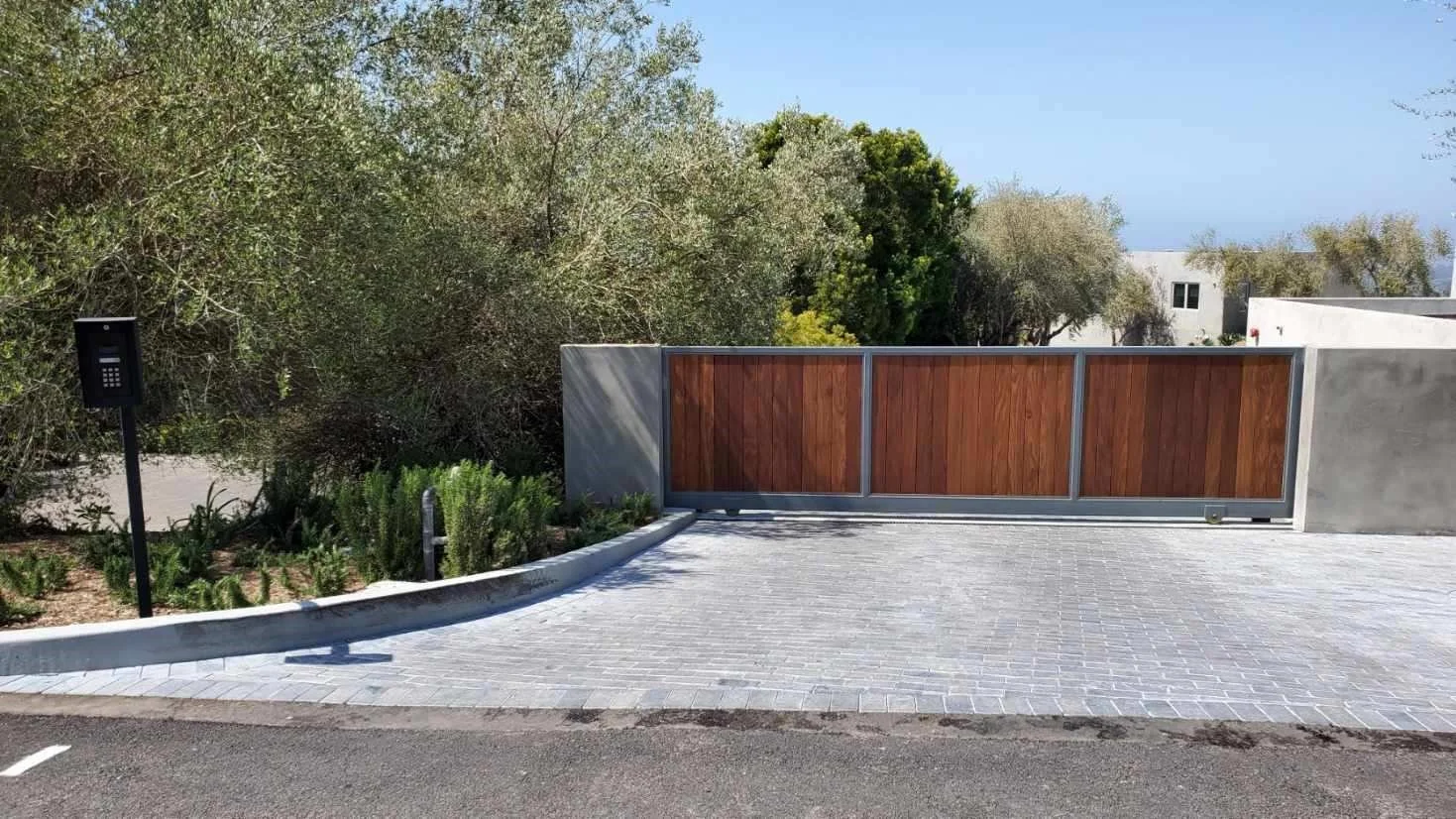
Wood remains a favorite for homeowners who want a warm, natural look. It pairs well with both modern and traditional architecture and can be stained or painted to match your property. In California’s climate, certain species perform especially well, including Western Red Cedar and Redwood, which offer natural resistance to moisture and insects. For high end applications, dense hardwoods like Ipe provide exceptional longevity and a rich, refined appearance. Wood does require periodic maintenance to protect it from sun and coastal conditions, but its visual appeal makes it a timeless choice.
Steel
Steel gates offer strength, security, and longevity. They stand up well to active use and provide a more substantial presence at the entrance of a home. Powder-coated finishes help resist rust and fading, which is especially valuable in coastal regions.
Aluminum
Aluminum offers a lighter option with considerable versatility. It resists corrosion and is well suited for contemporary properties. Homeowners often choose aluminum when they want a sleek look with minimal maintenance.
Gate Styles and How They Function
Gates come in multiple configurations, and selecting the right style often depends on driveway layout, available space, elevation changes and aesthetic preference.
Swing Gates
One of the most traditional gate styles, swing designs create a welcoming entrance with a familiar motion that feels intuitive and elegant.
Swing gates open inward or outward on hinges and deliver a classic presentation at the entrance of a home. They work best when the driveway offers enough clearance for movement and when the surrounding space supports the gate’s natural swing arc. These gates can be automated using hydraulic or mechanical operators. Surface mounted arms are the most common choice for residential properties since they install cleanly on existing posts. In ground operators offer a more concealed, high end look and work well when homeowners prefer minimal visible hardware.
Sliding Gates
When space is limited or the driveway layout creates challenges, sliding gates offer a smooth, efficient solution that moves horizontally rather than requiring a full arc to open.
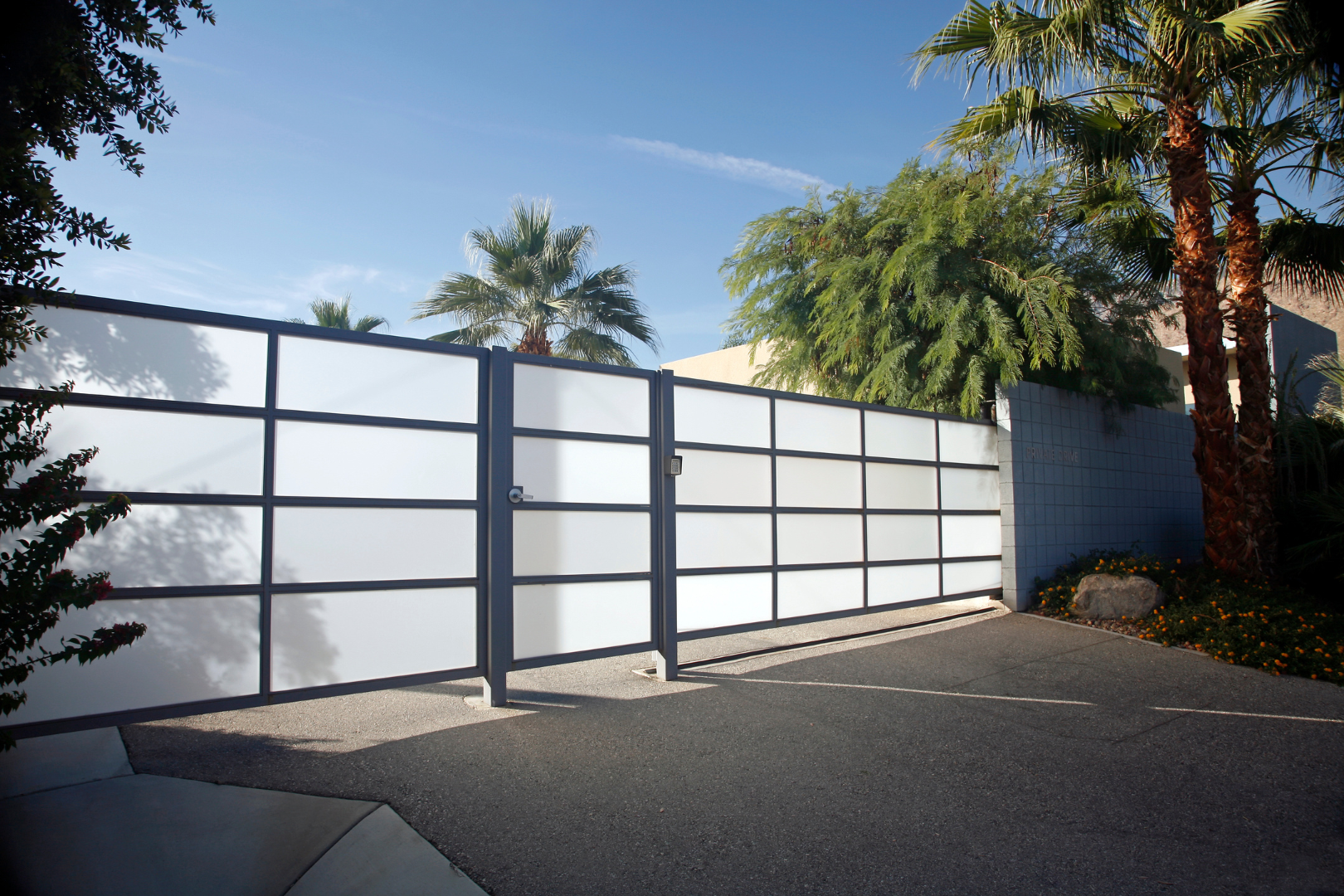
They are especially useful on sloped driveways or narrow entry points where a swing gate might not operate smoothly. Automation for sliding gates typically relies on chain drive systems that pull the gate along its track. This setup offers reliable performance and is well suited for heavier gates or properties with high daily activity.
Pedestrian Gates
A separate walkway gate adds convenience for everyday movement and keeps foot traffic independent from the main driveway entrance.
Homeowners often choose to include self closing hinges or soft close mechanisms that help the gate shut securely behind each use. Locking options range from simple deadbolts to keypad locks that integrate with broader access control systems.
Privacy, Security, and Aesthetic Considerations
Beyond basic access, gates influence the atmosphere of a property and shape how it is experienced from the street and at the entrance.
Gates serve both functional and decorative purposes, shaping how a property feels to residents and visitors.
Privacy
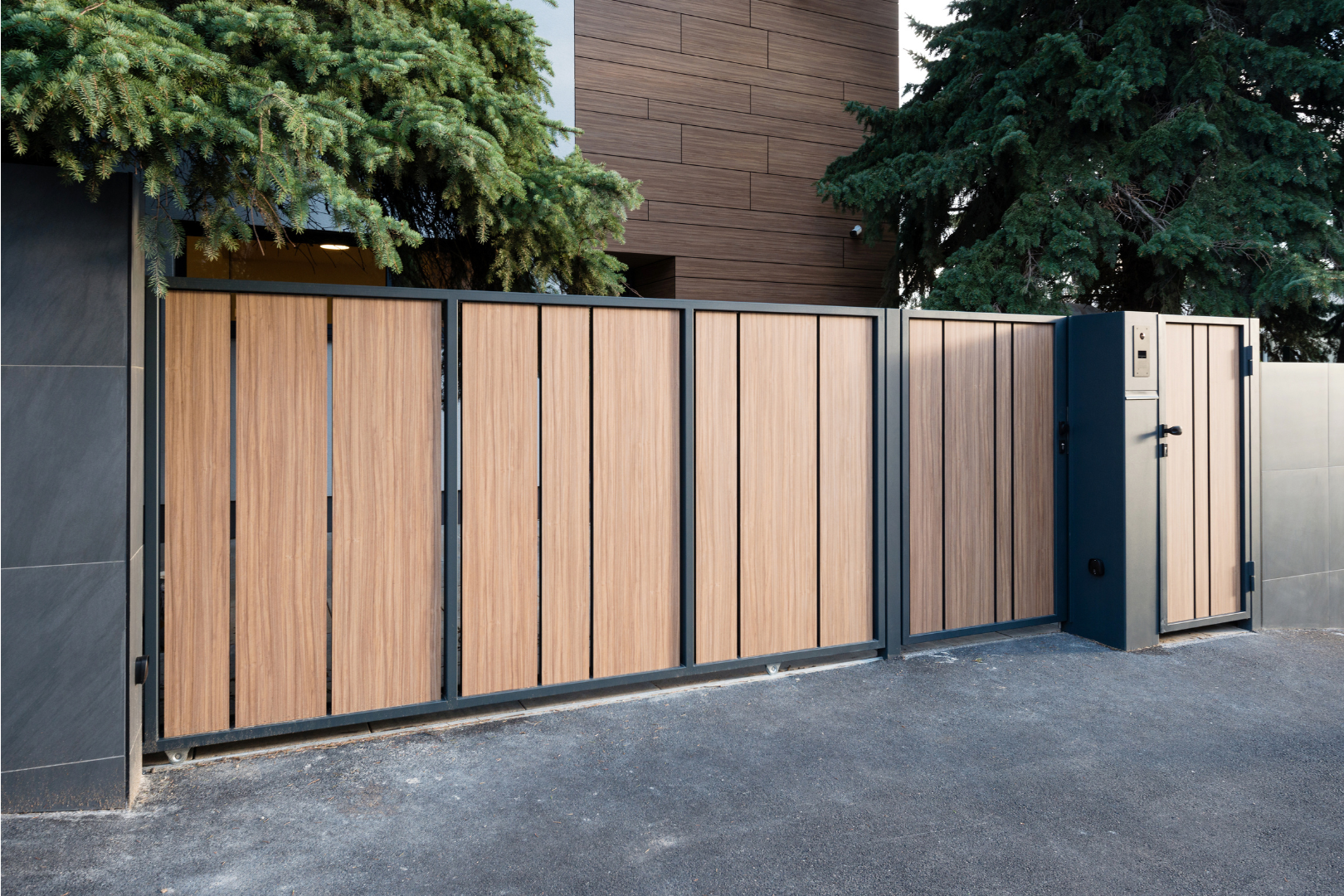
Solid panel gates or those with minimal spacing offer greater privacy, blocking direct views into your property. Wood, composite, and certain steel designs can all achieve this.
Security
Steel and reinforced aluminum gates provide strong physical barriers and pair well with access control systems. Automated locks, keypad entry, and intercom systems can further enhance security.
Curb Appeal
A gate often becomes one of the first elements people notice. Choosing a design that complements your home's architecture strengthens the overall look and feel of your property.
Automation and Access Control
Modern gate systems bring together several technologies that make daily use easier and more secure. Instead of focusing on a single automated feature, it helps to think of these components as a coordinated system designed to simplify how you enter and exit your property.
Powered operators handle the movement of the gate with steady, predictable motion. For swing designs, this is often managed by hydraulic or mechanical arms that guide each open and close cycle with controlled force. Sliding systems rely on track driven motors that move the gate smoothly along its rail, an advantage when managing heavier materials or frequent daily use.
Access features bring an added layer of flexibility. Remotes, keypads, and app based controls offer different ways to open the gate depending on your routine. When paired with intercoms or cameras, the system allows you to communicate with visitors and monitor activity at the entrance without stepping outside.
Together, these elements create an experience that feels seamless from the moment you arrive. By choosing the right combination for your layout and lifestyle, you establish an entrance that functions smoothly, supports security, and adapts to your household’s needs.
Maintenance and Longevity
Like any frequently used feature of the home, gates perform best with consistent care that keeps components clean, aligned, and protected from the elements.
Regular maintenance helps your gate operate smoothly and protects your investment. Simple steps like lubricating hinges, checking moving parts, and cleaning the surface can significantly extend the life of your gate.
Each material has different needs. Wood should be refinished periodically, while steel and aluminum benefit from routine cleaning to remove dust or coastal moisture. For homeowners who prefer professional care, Consolidated Overhead Door and Gate offers quarterly, semi annual, and annual maintenance plans that help keep your gate system running smoothly year round.
Choosing the Right Gate for Your Home
The best gate for your property depends on your preferred style, available space, and how you plan to use your entrance each day. When these factors align, the result is a gate that feels natural to operate and enhances both safety and curb appeal.
Our specialists can walk you through options, materials, and layout considerations to help you make the right choice.
👉 Schedule a Gate Service, Repair or a Design Consultation with Consolidated Overhead Door and Gate, by calling:
(805) 965-0539
or visit ConsolidatedOverheadDoor.com/gates-portfolio for ideas and inspiration.